Respecting Traditional Territories and Cultures: The Use of Smudge during Soil Camp
By Liana Wolf Leg

Education through land-based learning is a priority for those who have been running Soil Camp. Through bridging Indigenous knowledge and teaching to facilitators, youth, and children at the Soil Camp, we would like to have an opportunity to learn about the importance of respecting traditional roles of Indigenous Peoples of Canada; especially regarding those within the Treaty 7 territory on which we live our lives.

We strive to acknowledge and honour the land stewardship by Indigenous communities by integrating smudge into the daily routine of the students taking part in Soil Camp. It is not only to respect the territory or traditions of those within the Treaty 7 territory but also to welcome us all to learn more about Indigenous Traditions.

Smudging is a tradition that has several concepts and teachings that help ground Soil Campers and pay homage to the land. It demonstrates that all life is a ceremony and we need to respect ourselves as well as what surrounds us. Bringing this teaching into Soil Camp is a way to honor the land that we are working on and ancestors who have passed through the land previously.


What is Smudging?

Smudging is a tradition that many Indigenous and some non-indigenous people partake in. It involves burning one or more medicines gathered from the earth. The medicines that we use for smudging at Soil Camp are sage, sweetgrass, and cedar; there are other medicines that Indigenous people across Canada use but these are ones we use at Soil Camp.
Sweetgrass (a beautiful gift from Mick to Miwa)
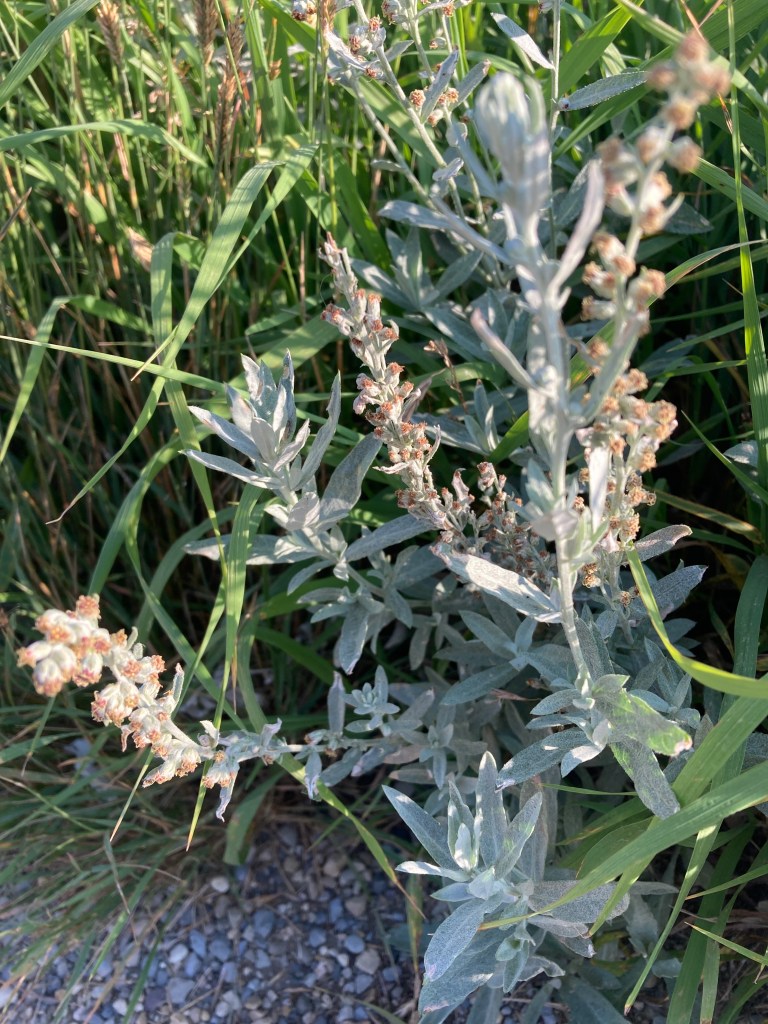
Sage (in Miwa’s backyard)
Tobacco is also a sacred plant used for ceremonies and gifts but we do not use it in smudging. We do however use this as an offering to the land, thanking it for allowing us to plant and be there.

Smudging has been passed down for generations. There are several different ways and variations to smudge. It differs from person to person and there is no judgement on how it is done.

The process in which we have been taught to smudge is the following:

• We smudge to clean our minds so that we have good thoughts.

• We smudge our eyes so that we will see the good around us.

• We smudge our ears so that we will only listen to positive things.

• We smudge our mouths so that we only will speak good things

• We smudge our heart to bring blessings toward us

Once we have finished our smudge, we let it burn out completely first then offer the ashes onto the land so it is out of the way. This is so that the ash can go back into the land and in turn fertilize the land with the ash.


The Concept of Smudging

Smudging allows people to stop, slow down, and become mindful and centered. Therefore, we would like to do this with Soil Campers to allow them to connect and be grounded in the tasks that we are going to do for the day. It allows people to let go of negative thoughts and feelings that they may be dealing with as it often helps people feel calmer. In Indigenous cultures, it is a way to cleanse yourself and prepare for the day. It is a part of “the way things are done” and a part of living a good life.


Smudging is Always Voluntary

People should never be forced or pressured to smudge. It is completely acceptable for a person to indicate that he/she/they do not want to smudge and that person may choose to be close to the smudge until it is finished or leave and find another place to sit. We will never force another staff member or student to smudge as it is not respectful to any person or each other’s culture.


Mutual Respect and Understanding

Indigenous cultures show different ways of respect and understanding. This is how we have  chose to honor the Treaty 7 Territory consisting of the Blackfoot Confederacy (Siksika, Kainai, Pikanii), Stoney Nakoda Nation (Chiniki, Bearspaw, Wesley), Tsuut’ina Nation, and the Metis Nation Region 3.

Though we have many different cultures at Soil Camp, we want to ensure that Indigenous ways of knowing and being are expressed as one of them. We want to bridge the gap between the refugee and immigrant communities and the Indigenous Peoples of this land. We encourage you to read this and see if there are any similarities between your cultural practices and that of the Indigenous peoples. This is how we begin reconciliation, mutual understanding, and respect.



 Soil Camp