

Our Vision
Soil Camp is a space for growing, learning, and diversity. In Soil Camp, we aim to listen: listen to silenced voices; listen to the soil and the land, and listen to one another. It is important to emphasize that listening here is not exclusive to auditory activity only. Through ‘Listenings’ (in plural), we embrace ethical, attentive, relational, and embodied experiences and commitments grounded in the land.
Our Three Grounding Epistemes

Listening together to the voices of the soil and the land
When focusing on teaching the land we must first listen to the voices of the soil. What is the soil telling us? What can we learn from them?
Listening together as a community towards earth-centered healing
We are part of the land. Communities exist within nature and communities exist between people. As we focus on community amongst ourselves and work together to learn from the land, we are unlearning the harmful relationship between each other and humans’ harmful relationship with the land.
Listening together to the histories, languages, and stories through anti-colonial relationality
Learning from the history of the land, the stories of the land, the language of the soil shows us our collective (hi)stories and our ways forward through and toward anti-coloniality.
“We wanted to create relationship-centered learning experiences where we can reconnect with the soil and the land while deepening our understanding of them through anti-colonial, transdisciplinary ways of knowing from sciences, mathematics, histories, and arts. The soil is a medium to connect us, despite our differences. The soil is the source of life. Together, we think how we can give back to the soil and to the land.”
-MIWA A. TAKEUCHI, LEAD OF THE SOIL CAMP TEAM
What is Soil Camp?
Soil Camp sprouted as a summer camp research-design partnership, which centres the voices of racialized children and youth that started the month of July in 2021 on the Land of Dreams in Moh'kínstsis (Blackfoot) Wincheesh-pah (Nakoda),  Otos-kwunee (Cree), Kootsisáw (Tsuu'tina) and Klincho-tinay-indihay (Slavey) - now called Calgary, Alberta, Canada. Many of the child and youth Soil Campers used to be intimately connected to the land in intergenerational and embodied ways, before their displacement as refugees. Our pedagogical design focuses on learning with the soil– on the land and in nature, that are simultaneously our teacher, classroom, and friend. As a space that aims to enact anti-colonialism and anti-oppression in and through learning; together we listen to the silenced voices of the soil, land, and displaced communities.

Soil Camp grew beyond our summer program to a Network of like-minded teachers (including teacher candidates), community workers, researchers, youth, and families who care for the land, soil, plants, animals, and each other and are connected by our shared visions for social and environmental justice.

Our research-design partnerships are financially supported by a number of grants.

Transdisciplinary Themes
Our themes at Soil Camp are emerging and respond to questions, interests, and needs for growth - as identified by youth, children, and teachers. These themes reflect curious and complex questions that are guided by transdisciplinary conversations among researchers (including educational researchers, soil scientists, biologists), community partners, teachers (with diverse disciplinary backgrounds), and most importantly the Soil Campers - youth, children, and their “families” (we are using the word ‘family’ to refer to expansive non-heteronormative ways of relations).

We start our day with gratitude to the land and Indigenous peoples, who have been stewarding this land, in collaboration with our community partners.

What is Soil?
Soil can be a transdisciplinary medium to be seen from diverse perspectives! We explore connections between the soil and our body. We explore the rich soil, compacted soil, and displaced soil. We learn about the stories that the soil teaches us about justice.
Who Calls the Soil Home?
Soil is full of life and home to many living organisms, including fungi, bacteria, earthworms, ants, mites, and many other insects, microbes, decomposers, and soil mesofauna!

Do you know how many lives make a spoonful of rich soils their home?

What can we learn from the soil about “building home?”

How can we collaborate with many living organisms in the soil, while learning Global Indigenous ways of living ethically with the soil?


Soil Community Online Zine
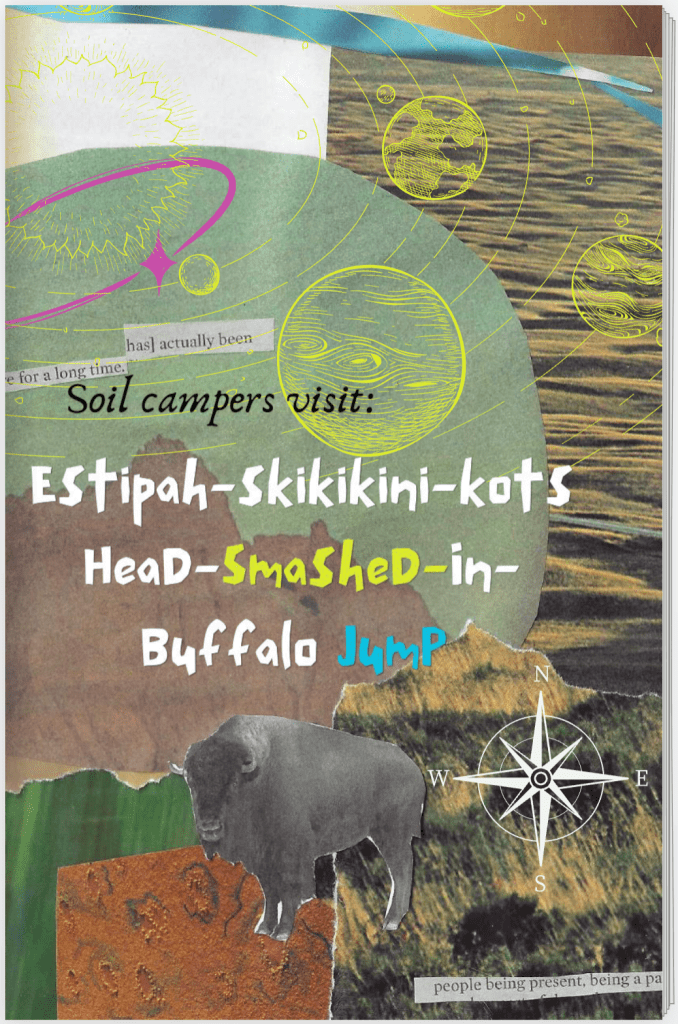

Land of Dreams
Over the past three years, we have worked with our community partner, CCIS “Land of Dreams,” which is in southeast Calgary toward socioenvironmental justices; the ancestral lands that have been stewarded by the Niitsitapi (Blackfoot Confederacy), the Îethka Nakoda, and the Tsuut’ina Nations, and more recently by the Otipemisiwak Métis. This land is also called Moh’kinstsis (Blackfoot), Wincheesh-pah (Nakoda),  Otos-kwunee (Cree), Kootsisáw (Tsuu'tina) and Klincho-tinay-indihay (Slavey).

We are grateful to live, grow, play, and learn on this land. We grow many varieties of vegetation and plants that have sustained our culturally relevant meals; but let us not forget the native plants that Indigenous people used to sustain and nourish the peoples of this land for generations (including the Aóhtoksóoki (yarrow), Puck-keep (chockecherry), Aphahsipoko (dogwood), Sipatsimo (sweet grass) to name a few among many others).

This is a land for us to dream new possibilities for more socially and environmentally just relations.

Click here for more information about CCIS Land of Dreams!

Soil Camp Stories
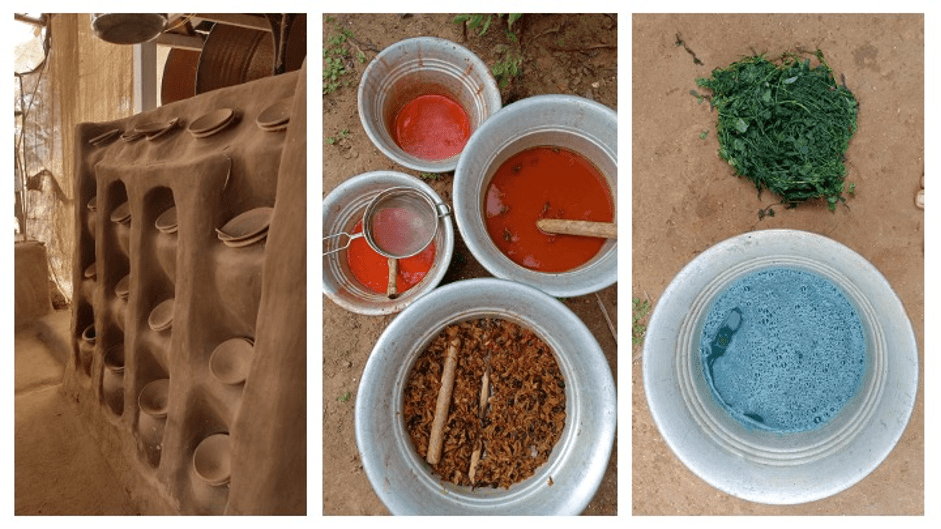


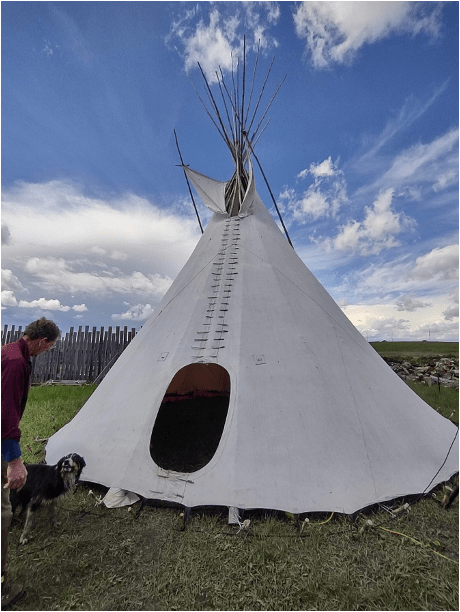
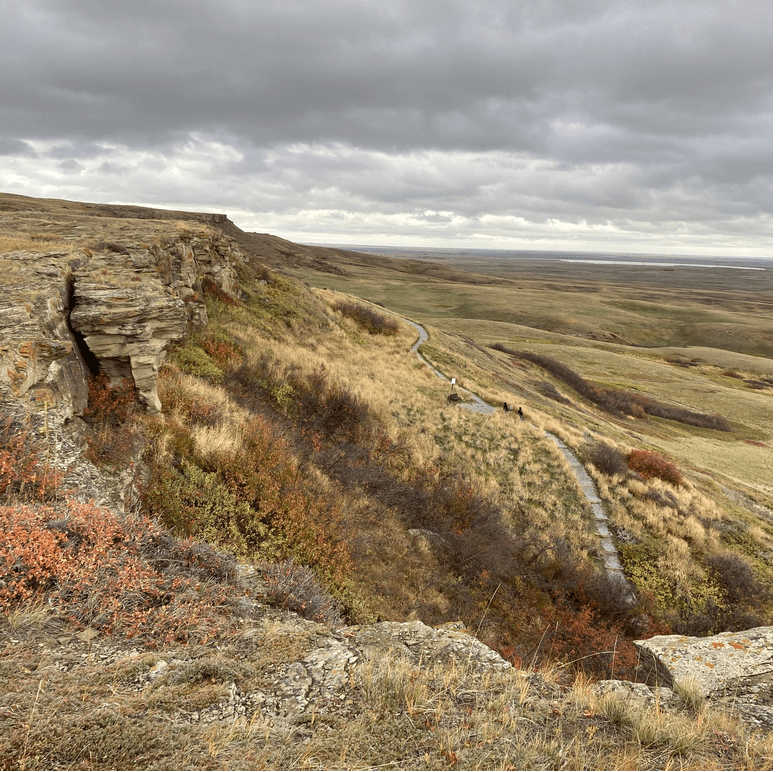
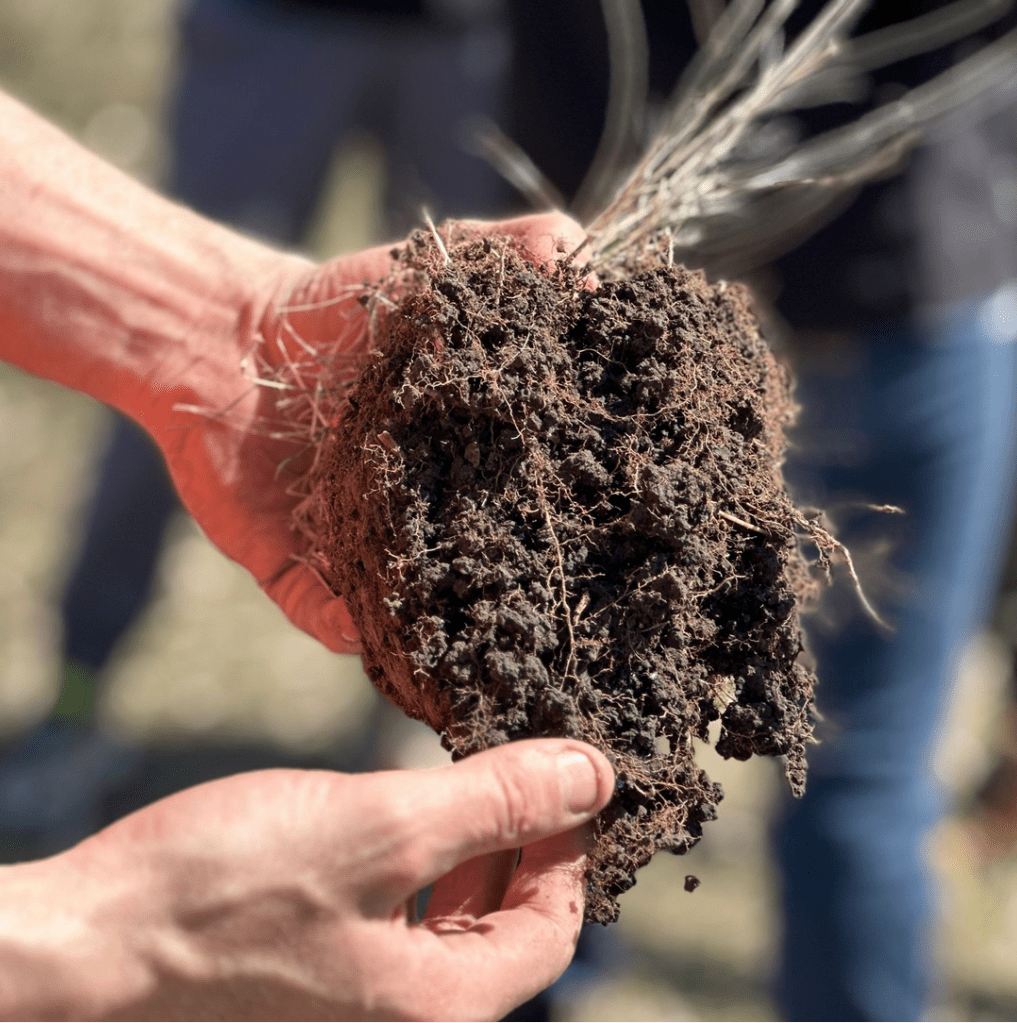


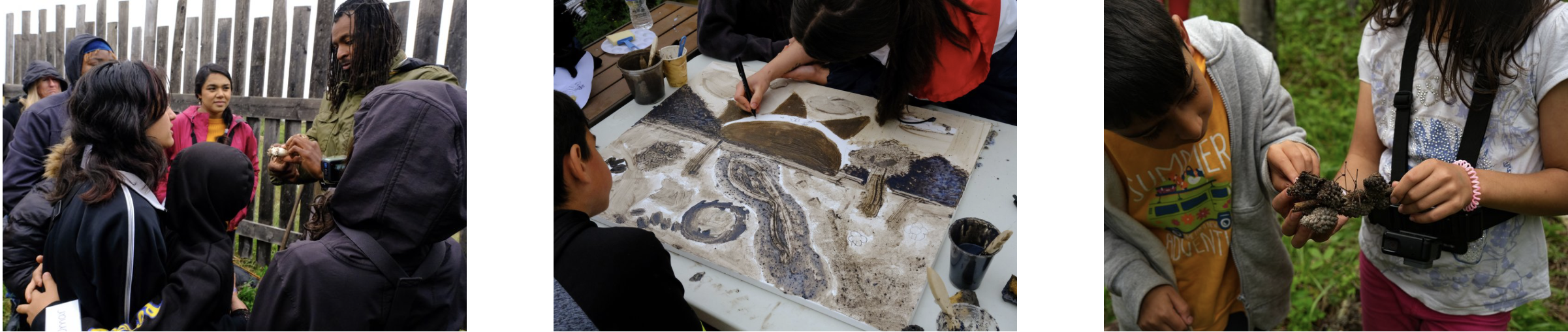
Soil Camp in Media
- December 09, 2025. Soil Camp listens to the voice of the soil – Podcast from Calgary Journal (Conversation with Drs. Tatenda Mambo, Miwa Aoki Takeuchi, and Mathew Swallow.
- September 05, 2024. “Friends of Indigenous Science” SEASON 2; Episode 5 – Podcast from Ancestral Science (Conversation with Drs. Kori Czuy, Miwa Aoki Takeuchi, and Eun-ji Amy Kim). Please check all amazing episodes of Ancestral Science Podcast! Available via Apple and Spotify.
- May 25, 2024. Calgary newcomers find community garden, learn Indigenous ways at Land of Dreams farm – Video/Article from CTV News Calgary (CCIS Land of Dreams Team, Nicole Boere, Elder Herman Many Guns, and Soil Camp team)
- May 01, 2024. ASIANCHANGEMAKERS: How Miwa Takeuchi empowers through education – Video from CBC News Canada (Miwa Aoki Takeuchi)
- March 28, 2024. Getting down to earth with the community through soil science – Article in Education News Canada (Mathew Swallow)
- December 07, 2023. Soil builds prosperity from the ground up – Article in Yes! Magazine (Miwa Aoki Takeuchi, Kori Czuy)
- August 14, 2023. A food justice strategy: Cultivating relationships, feed families – Article in Ucalgary Today (Anita Chowdhury)
- July 04, 2023. What listening to the soil can tell us about our relationship with the land – Article in THE CONVERSATION (Mathew Swallow, Kori Czuy, Miwa Aoki Takeuchi)
- September 28, 2021. Students get their Hands Dirty at Soil Camp – Article by Calgary Today (Miwa Aoki Takeuchi, Kori Czuy, Tatenda Mambo, Raneem Elhowari, Rod Olson, Hannan Sobh)
- December 26, 2021. Efficient or resilient: Alberta must find the right balance to protect our food supply – Opinion Piece on CBC (Tatenda Mambo)



 Soil Camp